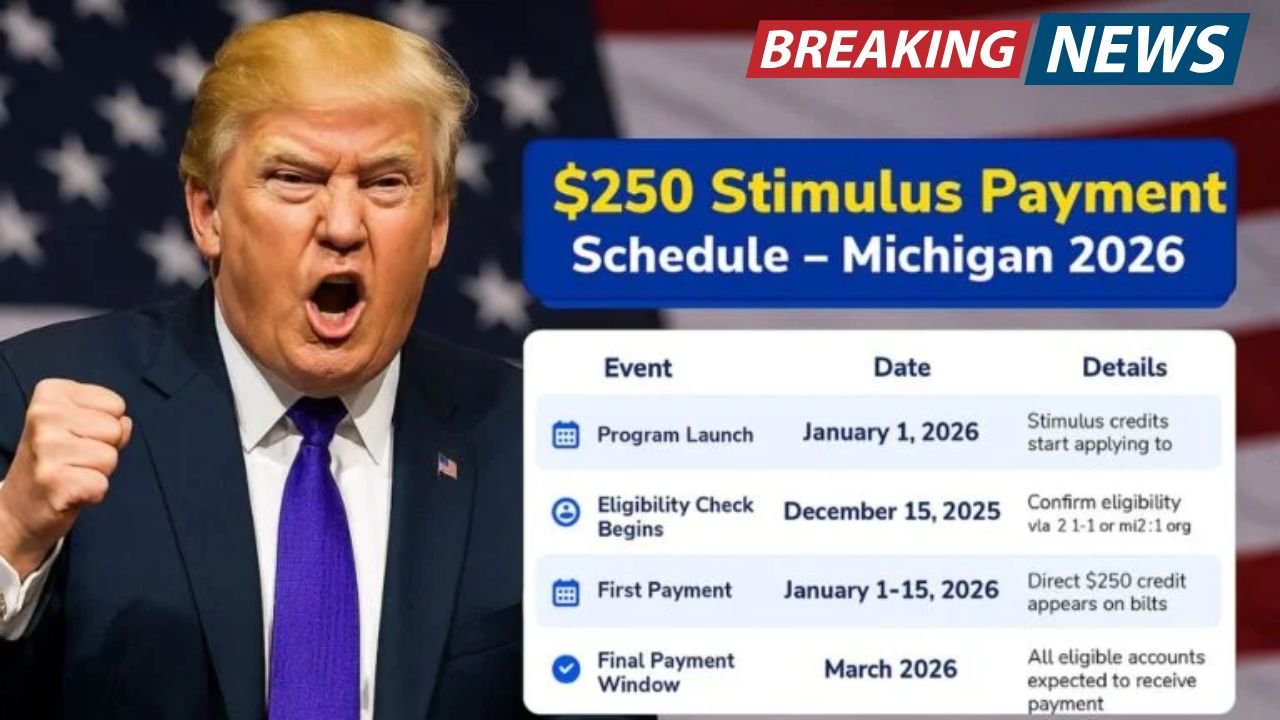
In 2025, several U.S. states have introduced or continued special financial relief programs — including $250 stimulus checks or tax rebates — to help residents cope with inflation and higher living costs. Unlike the broad federal stimulus checks of past years, these state-level payments are targeted, with varying eligibility rules, timelines, and payment methods. Understanding these differences can help residents maximise their benefits this year.
Eligibility Rules for $250 Payments
Eligibility for these payments generally depends on income level, residency, and recent state tax filings. Many states prioritise low- to middle-income families, seniors, and working households. For instance, New York’s $250 relief payment is directed at residents within specific income brackets, while Georgia’s program is based on 2023 or 2024 tax filings, with varying payment amounts for single filers, heads of households, and married couples.
Most programs require that recipients file state tax returns for recent years (such as 2023 or 2024) by set deadlines. Some payments are issued automatically based on tax return data, while others require a rebate application. Residents are advised to check their state’s Department of Revenue or Treasury website for official eligibility details and application steps.
Payment Dates and Distribution Methods
Many states are set to distribute payments in late 2025 via direct deposit or mailed checks. For example, Georgia’s rebate checks will be processed automatically for timely filers and issued within 6–8 weeks of filing deadlines. Virginia began issuing rebates in October 2025 — up to $200 for individuals and $400 for joint filers.
Other states, such as California, deliver relief payments through prepaid debit cards that must be activated before use. Pennsylvania’s Property Tax/Rent Rebate Program provides payments based on age, disability status, and income level, offering up to $1,000 per year with specific application periods.
State-Specific Differences
Each state’s relief initiative varies in scope, payment amount, and eligibility. Here’s a brief overview:
| State | Payment Amount | Eligibility Highlights | Distribution Method |
|---|---|---|---|
| Georgia | $250–$500 | Must file 2023/24 state tax returns | Direct deposit or check (automatic) |
| Virginia | Up to $400 | State tax liability; timely return filing | Direct deposit or mailed check |
| New York | $250 | Low- to middle-income residents | Direct deposit |
| California | Varies | Family relief and middle-income support | Prepaid debit card or check |
| Pennsylvania | Up to $1,000 | Seniors, disabled residents, income caps | Rebate check |
Tips for Claiming Your Payment
- File state tax returns on time: Most payments are tied to recent filings.
- Update your contact and banking details: Ensure the state tax agency has your correct information.
- Watch for official notifications: Avoid scams by confirming communications through state websites.
- Check application requirements: Some programs are automatic, others require manual claims.
- Meet all deadlines: Missing filing or application dates can result in lost benefits.
Frequently Asked Questions
Q1: Who is eligible for the $250 stimulus in 2025?
Eligibility varies by state but generally includes low- to middle-income residents who filed recent state tax returns.
Q2: When will payments be received?
Most payments will be distributed between late 2025 and early 2026, typically within a few weeks of filing returns or rebate applications.
Q3: Are these payments federally funded?
No. These are state-funded relief programs, not federal stimulus checks.

