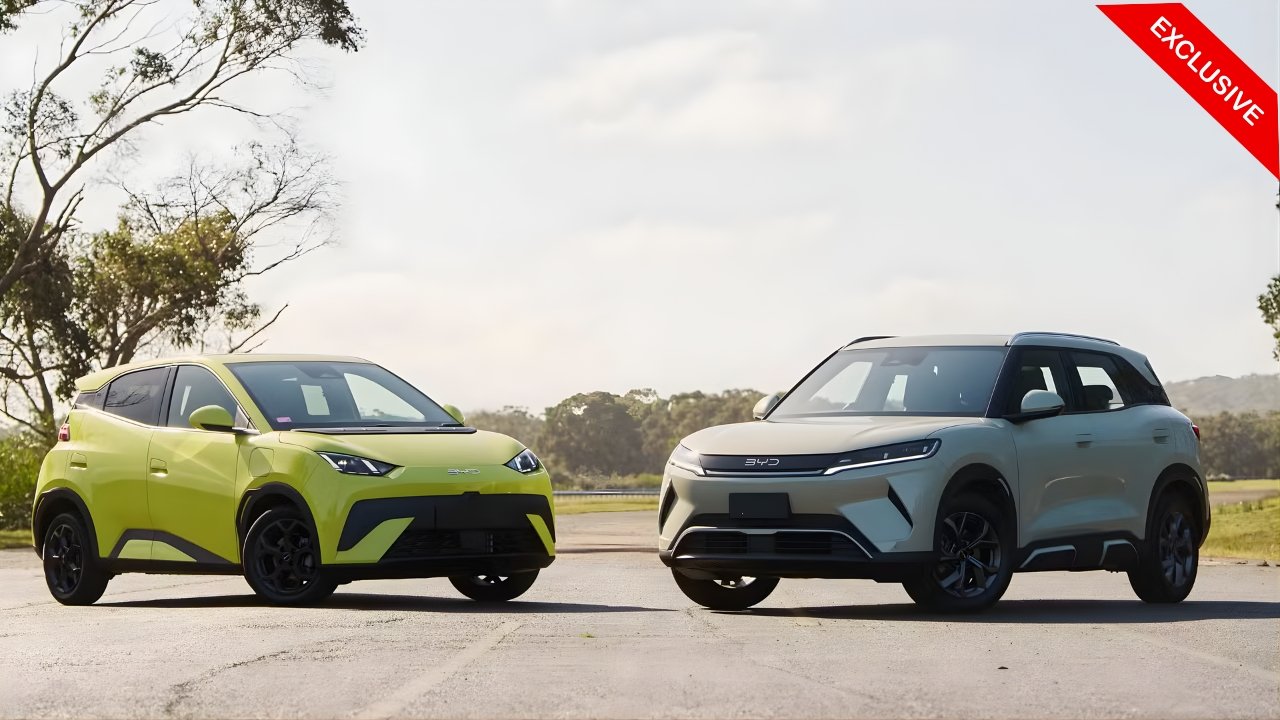
The Chinese electric vehicle (EV) company BYD has also used a loophole in the federal New Vehicle Efficiency Standard (NVES) of Australia to earn as much money as possible by selling emissions credits. The plan enables those companies who import more low-emission cars than the number of cars they sell to create tradable credits which they can sell to other manufacturers that will not easily meet their limit, thus generating a profitable stream of income to BYD even without selling any cars.
How It Works
– BYD plans to import a large number of vehicles to Australia and sell a small amount to allow the company to gain credit on the volume of imports and not on the actual sale.
These credits are sold in large sums, and the estimated amount is approximately 7,050 dollars to BYD when every electric Sealion 7 SUV is imported as an electric car.
– BYD imported 50,918 vehicles as of September 2025 and sold 37,923, which is worse than its rivals such as GWM and MG in terms of accumulating inventory.
– Stocks are even stored in unusual places like an isolated water park which has been shut down temporarily in New South Wales.
Market and Regulatory Impact
– BYD has seen its sales year-to-year rise by 149.8 per cent due to its competitively-priced models, including the Sealion 7 and Shark 6 plug-in hybrid ute.
– Critics also say that BYD is capitalizing on regulatory loopholes that are aimed at encouraging EV adoption with possible changes that might be made in 2026 to move compliance checking to point of sale instead of importation.
– The office of the Transport Minister Catherine King has revealed that the government does not treat such subversions lightly and wishes to minimize loopholes of the emissions credit system.
BYD’s Positioning
– BYD asserts that its stock hoard is strategic and makes it ready to meet the high consumer demand projections in 2026 and making the new vehicles readily available to the customers.
– The company is expanding at a very fast rate in Australia and this creates a formidable competition to the traditional automakers.
Summary Table
| Aspect | Details |
|---|---|
| 2025 Vehicle Imports | 50,918 vehicles |
| 2025 Vehicle Sales | 37,923 vehicles |
| Estimated Credit Value | $7,050 per electric Sealion 7 import |
| Sales Growth 2025 (YTD) | 149.8% |
| Regulatory Review | Expected 2026 shift to point-of-sale compliance |
FAQs
Q1: What is the amount of money BYD makes off of emissions credits?
BYD sells fewer EVs than it imports, gaining credits (according to the volume of imports) and selling them to car manufacturers who go beyond the limits on emission levels.
Q2: What is the ratio of BYD inventory to sales?
Approximately, 13,000 net imports less exports in 2025 have been seen in vehicles.
Q2: What are the anticipated changes in the regulations?
The compliance verification will probably be transferred to the stage of the vehicle sale in order to prevent the credit exploits at the point of sale.

