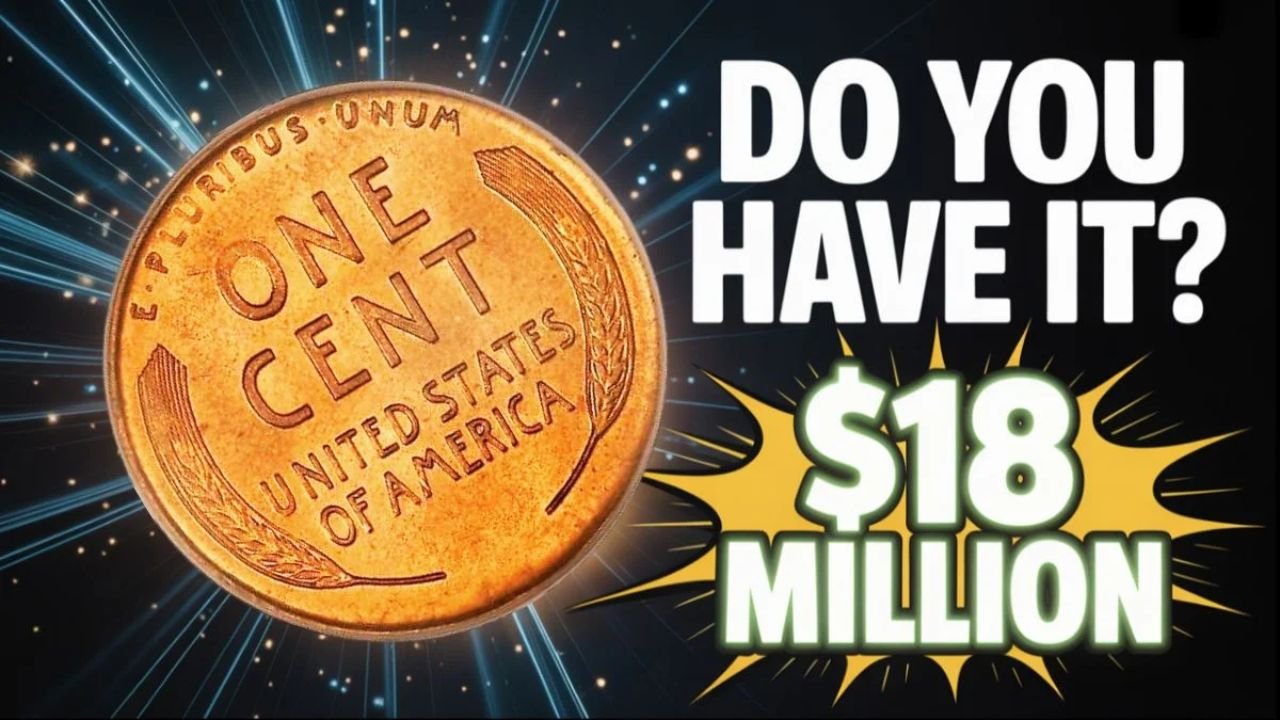
Wheat Penny, officially known as Lincoln Wheat Cents, have captured the fascination of coin collectors for decades. Struck by the U.S. Mint from 1909 to 1958, these small copper coins have evolved not only in their historical significance but also in their monetary value. Over the past 15 years, from 2010 to 2025, wheat penny values have shown impressive trends, making them a collector’s dream. This guide takes a deep dive into the key factors influencing their value trends, important rare dates, and tips for collectors today.
Value Growth Over Time
The past decade and a half have seen steady growth in wheat penny prices across condition grades and rarity classes. Common circulated examples which were once valued at mere cents have appreciated to roughly 25 to 100 cents. Well-preserved, mint-condition pennies have seen price jumps from several dollars to between $5 and $12 or more. Rare varieties and key dates have appreciated significantly, with some specimens fetching prices upward of thousands or even six figures at auction.
This growth is driven by multiple factors including rising copper prices, increasing interest from younger collectors thanks to social media, and improvements in grading technology that better identify quality coins. Market demand has also surged as collectors hunt for iconic examples from key years such as 1909-S VDB, 1914-D, and rare error coins like the 1943-D Bronze.
Key Rare Wheat Pennies to Watch
- 1909-S VDB: This San Francisco mint penny with designer initials is one of the most sought-after, with red specimens fetching over $150,000.
- 1943-D Steel Cent: Exceptionally rare due to wartime metal shortages, with prices soaring above $100,000.
- 1914-D: A Denver mint rarity known for its limited mintage, often commanding five-figure sums.
- 1951-D Wheat Penny: Condition-driven prices can exceed tens of thousands due to scarcity in high grades.
Other rare types with unique mint errors or limited production runs also hold premium value. Condition, toning, and originality massively impact selling prices in the collectors market.
Tips for Collectors
- Prioritize acquiring pennies in the best possible condition, focusing on coins graded by respected services such as PCGS or NGC.
- Attend live auctions, follow reputable dealers, and join coin collecting clubs or online forums to track market trends.
- Avoid cleaning coins — this reduces value significantly.
- Store coins properly in protective holders to maintain their grade and toning.
Short Wheat Penny Value Trend Summary (2010–2025)
| Year | Common Circulated | Mint Condition | Rare Varieties Value | Market Sentiment |
|---|---|---|---|---|
| 2010 | $0.10 – $0.30 | $2 – $5 | $200 – $1,000+ | Moderate collector interest |
| 2015 | $0.15 – $0.60 | $3 – $7 | $300 – $2,000+ | Rising interest |
| 2020 | $0.20 – $0.75 | $4 – $10 | $500 – $5,000+ | Strong demand |
| 2025 | $0.30 – $1.00 | $5 – $12 | $1,000 – $100,000+ | Broad collector surge |
FAQs
Q: What makes a wheat penny valuable?
A: Condition, rarity (key dates and mint errors), and historical significance drive value.
Q: How can I verify the authenticity of a rare wheat penny?
A: Use certified graders (PCGS, NGC) or seek expert appraisal to avoid counterfeits.
Q: Are wheat pennies a good investment?
A: With value trends showing steady growth and increasing collector interest, they can be a rewarding long-term asset.
Exploring wheat penny values over the last 15 years shows remarkable growth fueled by rarity, condition, and collector enthusiasm. For coin enthusiasts, owning wheat pennies is not only a nostalgic hobby but also a potential treasure trove with significant appreciation potential.
This comprehensive trend guide aids collectors in understanding the evolving wheat penny market and guides strategic collecting for 2025 and beyond.

